
RESPIRATION AS RESTORATION:Breathing Into Fullness, Well-Being, and the Season of Light
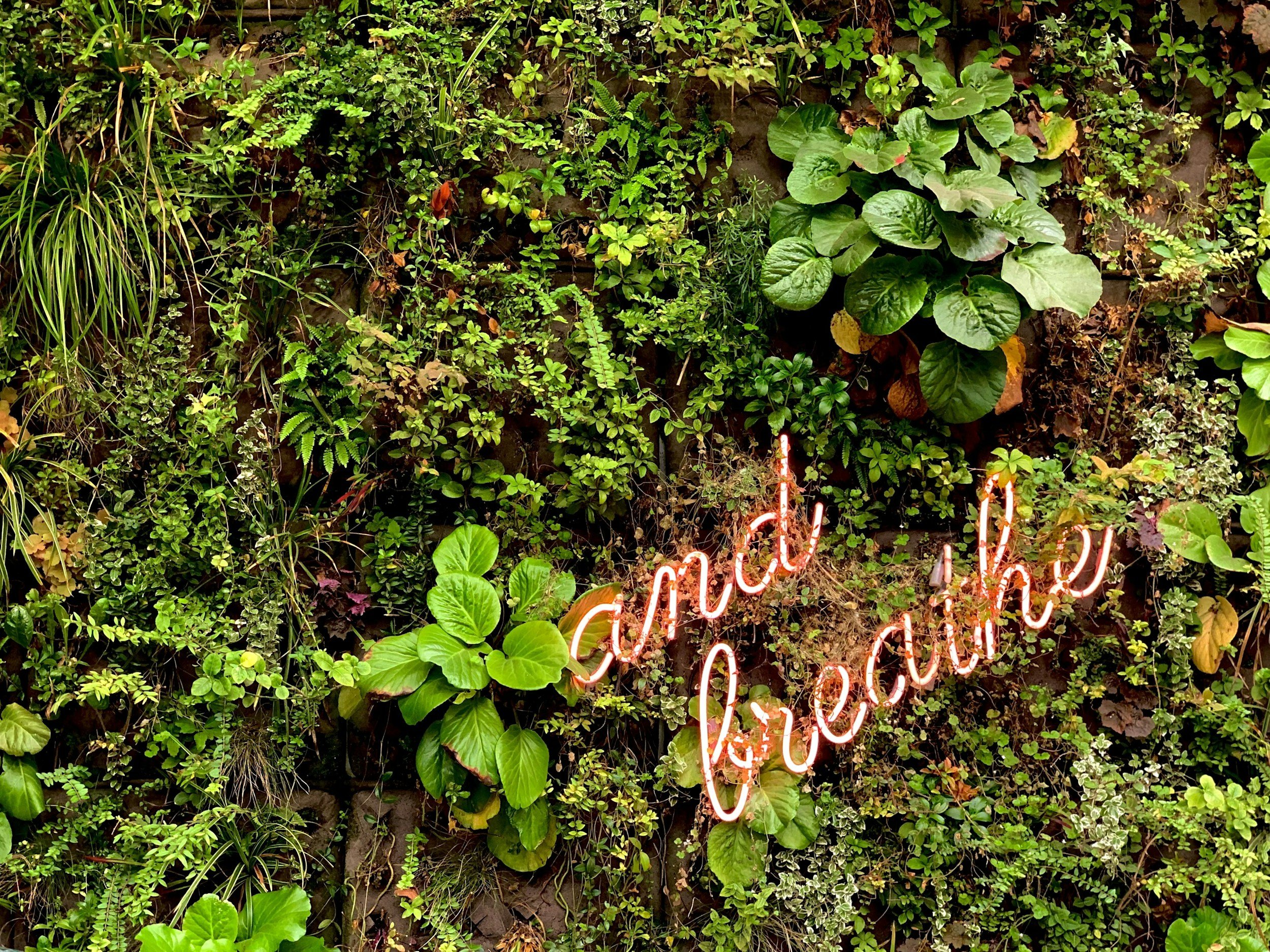
As we approach the summer solstice, we arrive at a meaningful turning point in the natural world. The solstice marks the longest day and shortest night of the year in the Northern Hemisphere, a time when the sun reaches its highest point in the sky and the earth is bathed in its fullest light. For centuries, cultures around the world have honored the solstice as a celebration of abundance, vitality, growth, and connection to the rhythms of nature. While the days that follow gradually begin to shorten, the solstice invites us to pause and appreciate what is flourishing in our lives right now. It offers an opportunity to reflect on what we’ve been cultivating, whether in our relationships, our work, our health, or our inner lives, and to consider how we might live more fully into our own sense of purpose and well-being.
This season of light feels especially meaningful as I prepare for our next Seeds of Wellness Sunday Salon Book Club discussion of Breath: The New Science of a Lost Art, by James Nestor. The book explores something so fundamental to our lives that we often overlook it entirely. We breathe every moment of every day, yet few of us have ever been taught how breathing influences our health, energy, sleep, resilience, emotional well-being, and overall quality of life.
Many of us spend much of our lives caring for others. We support family members, friends, colleagues, clients, congregations, communities, and causes that matter deeply to us. We often become skilled at noticing what everyone else needs while losing touch with the signals our own bodies are sending. We may not recognize how much stress we are carrying until fatigue, irritability, poor sleep, brain fog, or chronic tension begin to demand our attention.
One of the most powerful tools for restoration is something we carry with us throughout the day. No matter where we are or what demands are competing for our attention, the breath offers a quiet invitation to slow down, reconnect, and return to ourselves.
James Nestor's book brings together scientific research, historical perspectives, and personal experimentation to demonstrate that breathing is far more than a biological process. The way we breathe influences how well our bodies function. It affects our cardiovascular system, our nervous system, our sleep, our concentration, our mood, and our capacity to recover from stress.
The breath is one of the few bodily functions that operates both automatically and voluntarily. We don’t have to think about breathing in order to stay alive, yet we can consciously influence the way we breathe when we choose. This creates a remarkable bridge between the body and the mind. When we become aware of our breathing and intentionally slow it down, we can begin to influence how we feel physically, mentally, and emotionally.
Slow and Steady
One of the most fascinating aspects of breathing is its relationship to the nervous system. Many of us spend a significant portion of our day operating in a heightened state of alertness. Even when we are not facing immediate danger, our bodies often respond to deadlines, uncertainty, caregiving responsibilities, financial concerns, and constant stimulation as though we are under threat. This state of activation can leave us feeling anxious, exhausted, impatient, and disconnected from ourselves.
When we are stressed, our breathing tends to become shallow and rapid. Our heart rate increases, our muscles tighten, and our bodies prepare for action. While this response can be helpful in a true emergency, it is not intended to be our permanent state of being.
Slow, steady breathing helps activate the parasympathetic nervous system, often referred to as the "rest and digest" response. This system supports healing, digestion, recovery, immune function, and emotional regulation. It communicates safety to the body and creates the conditions that allow restoration to occur.
This is one reason breath practices have been incorporated into healing traditions around the world for thousands of years. Long before modern science began measuring heart rate variability and stress hormones, people understood that breathing could influence how they felt. Today, researchers continue to explore how intentional breathing practices can support stress management, improve sleep quality, enhance emotional regulation, and contribute to overall well-being.
Nestor's book challenges us to think differently about breathing. Rather than assuming that all breathing is equally beneficial, he encourages us to consider how we breathe and whether small adjustments might support better health.
The goal is not perfection. The goal is awareness.
Awareness allows us to notice when we are holding our breath during a difficult conversation. It allows us to recognize when our shoulders are creeping toward our ears during a stressful afternoon. It helps us observe when our breathing becomes shallow and constricted during moments of overwhelm.
Awareness Creates Choice
A few intentional breaths may not eliminate the challenges we face, but they can change how we meet them.
Back to the solstice - The summer solstice invites us to consider what helps us feel most fully alive. It asks us to notice what we’ve been cultivating and whether we are creating the conditions necessary for continued growth. Rather than focusing exclusively on productivity and accomplishment, we might ask ourselves how we can support our own vitality.
A Few Reflections
As you move through the coming weeks, I invite you to reflect on a few questions:
Where in your life might a little more space, softness, or ease be welcome right now, and what would it look like to create that space for yourself?
What is one small practice that helps you feel restored, grounded, or more fully yourself, and how might you make room for it more often?
As the days grow longer and the world around us moves into a season of fullness, what would help you feel more nourished, present, and alive in your own life?
These are not questions that require immediate answers. They are invitations to pay attention.
One of the gifts of breath awareness is that it teaches us to become more present. Breathing happens in the present moment. We cannot breathe yesterday's breath or tomorrow's breath. Every inhalation and exhalation reminds us that life is unfolding here and now.
That reminder feels especially important in a culture that often rewards busyness, urgency, and constant striving. The breath encourages a different rhythm. It invites us to become more attentive to our bodies, our emotions, our surroundings, and our lives.
If you would like to learn more about the fascinating science of breathing, I hope you will join us for our complimentary Seeds of Wellness Sunday Salon Book Club on July 26 as we discuss Breath: The New Science of a Lost Art by James Nestor. Together, we will explore what modern research reveals about breathing and consider practical ways to bring greater awareness to this essential practice.
The gathering is free, and registration is required. Whether you have read every page, listened to the audiobook, or are simply curious about the topic, you are welcome.
And A Few Fun Facts
1. Breathing More Is Not Always Better
Most of us assume that taking bigger, deeper breaths means we're getting more oxygen. In reality, chronic overbreathing can reduce the amount of oxygen released to our tissues. When we breathe too quickly or too deeply, we expel too much carbon dioxide. While carbon dioxide often gets a bad reputation, we actually need a healthy amount of it to help oxygen leave the bloodstream and enter our cells. One of the paradoxes of breathing is that sometimes breathing less efficiently means receiving more oxygen where it is needed.
2. Your Nose Makes a Gas That Helps You Breathe Better
Your nose is not simply a passageway for air. It produces nitric oxide, a gas that helps dilate blood vessels, improve circulation, and increase oxygen uptake in the lungs. This means that every time you breathe through your nose, you are doing much more than filtering and warming the air. You are activating a built-in system that helps your body use oxygen more effectively. Research and James Nestor's work both highlight the benefits of nasal breathing for sleep, endurance, and overall health.
Reflection: The body already contains sophisticated tools for healing; sometimes we simply need to remember how to use them.
3. Modern Humans May Be Breathing Worse Than Our Ancestors
One of the most surprising themes in Breath is that the shape of the human face has changed dramatically over time. Researchers have found that softer diets require less chewing, which may contribute to narrower jaws, smaller airways, crowded teeth, and more breathing problems. In other words, the convenience foods of modern life may have altered the very structure of our faces and affected how well we breathe.
4. The "Perfect" Breathing Rate Is Slower Than Most People Think
Across many traditions and modern studies, a breathing rhythm of about 5.5 breaths per minute appears to have remarkable effects on the nervous system. This is much slower than the average adult breathing rate of 12–20 breaths per minute. Researchers have found that breathing at this slower pace can improve heart-rate variability, reduce stress, and help create a sense of calm and coherence. Interestingly, James Nestor notes that many ancient prayer practices, chants, and meditative traditions naturally settled into this same rhythm. Think “praying the Rosary” or chanting nam-myho-renge-kyo as Nichiren Buddhists do.
The breath has accompanied you since the moment you entered this world. Perhaps this season of light offers an opportunity to become reacquainted with its quiet wisdom.

And, just because, here are two gelatos I make when I want to cool down and sweeten the day.
SUMMER SOLSTICE GELATOS
Berry Mint Gelato
Blend 3 cups frozen strawberries or mixed berries, 2 tablespoons honey, 1 tablespoon chopped fresh mint, and ¼ cup plain Greek yogurt or a creamy plant-based vanilla yogurt. Blend until smooth and creamy. Transfer to a freezer-safe container and freeze for one to two hours before serving.
Peach Ginger Gelato
Blend 4 cups frozen peaches, 2 tablespoons honey, ½ teaspoon freshly grated ginger, and ¼ cup coconut milk. (I use full fat coconut milk!) Blend until creamy. Transfer to a freezer-safe container and freeze for one to two hours. The ginger provides a gentle warmth that pairs beautifully with the sweetness of summer peaches.
Resources
Breath: The New Science of a Lost Art, by James Nestor
The Oxygen Advantage, by Patrick McKeown
Why We Sleep, by Matthew Walker
Sacred Rest, by Saundra Dalton-Smith
American Lung Association