
Rest Is Closer Than We Think
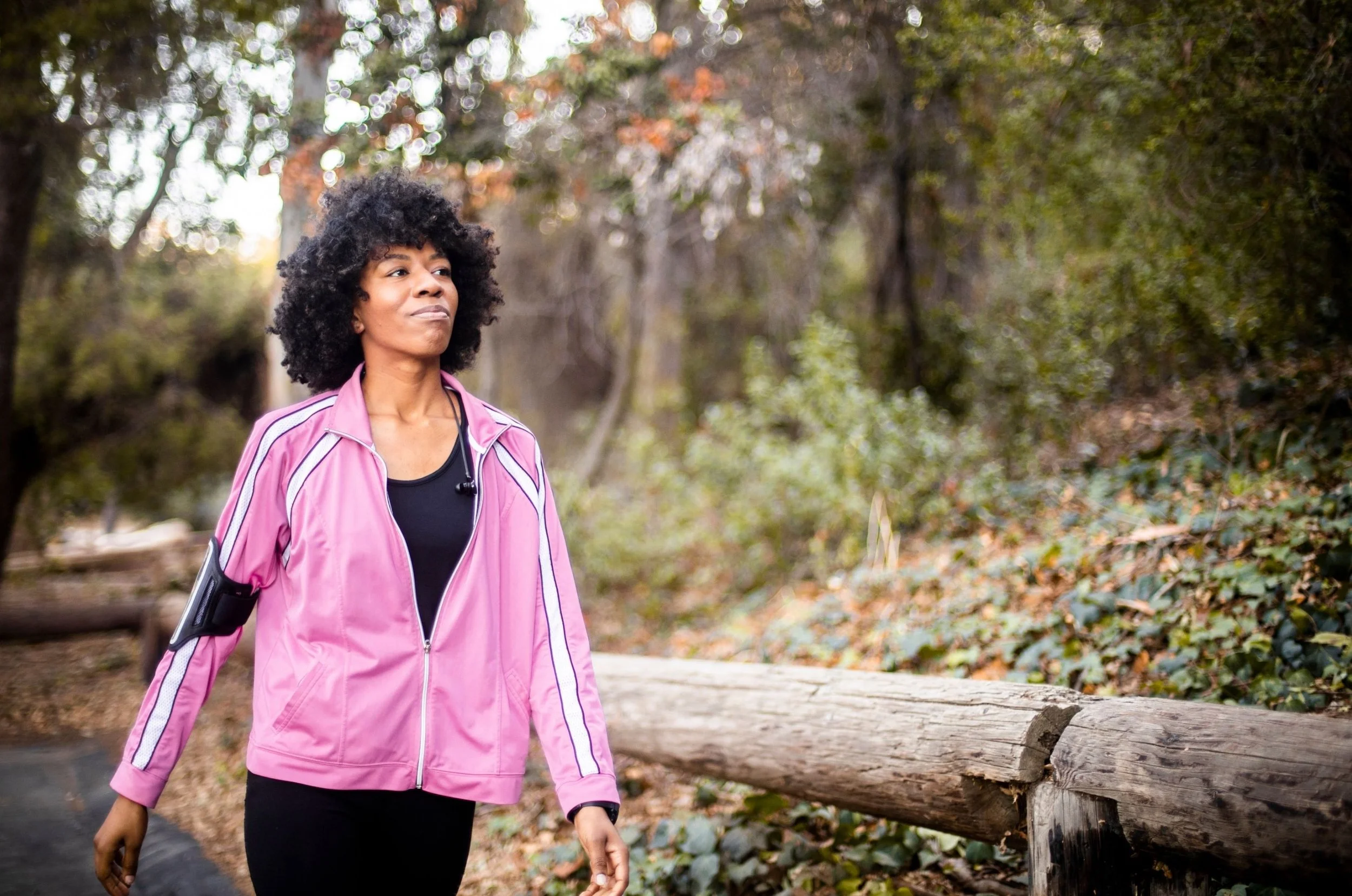
There is a tendency in our culture to think about rest as something that happens occasionally rather than something we need consistently. Many of us move through their weeks carrying tremendous responsibility, caring for families, managing demanding careers, supporting communities, tending relationships, and holding emotional space for others, while quietly postponing our own need for restoration. Rest becomes something attached to vacations, spa appointments, long weekends, or special occasions rather than an essential part of daily life.
Over time, this way of living can disconnect us from ourselves. We become accustomed to functioning while depleted. We normalize exhaustion, overstimulation, and constant mental activity, often telling ourselves that things will calm down “after this busy season” or “once life slows down.” Yet for many women, life does not simply slow down on its own. Without intention, the cycle continues, and meaningful restoration remains perpetually deferred.
What I have come to believe, both personally and through my work as a health coach, is that restoration often happens in much smaller, quieter ways than we expect. It doesn’t always require extensive planning, significant expense, or leaving our lives behind for a week in order to recover from them. Sometimes restoration begins with something much more accessible: stepping outside, breathing deeply, and allowing ourselves to reconnect with the natural world around us.
Finding Restoration in Everyday Life and in Nature
Nature offers a kind of healing that is both simple and profound. When we spend time outdoors, especially in green spaces, our bodies respond in measurable ways. Research has shown that time in nature can help lower stress hormones, support immune function, improve mood, calm the nervous system, enhance sleep quality, and reduce mental fatigue. Even brief periods outdoors can positively affect emotional well-being and cognitive functioning.
But beyond the science, there’s also something deeply relational about being outside. Nature gently reminds us that we aren’t machines built only for productivity. The pace of the natural world is different from the pace most women are expected to maintain. Trees do not rush. Seasons do not compete with one another. Water moves steadily, not frantically. Spending time outdoors can help us remember rhythms that our bodies instinctively understand but that modern life often pulls us away from.
Many women tell themselves they’ll rest once they finally have enough time, enough money, or enough freedom from obligation.Yet meaningful restoration doesn’t always arrive through grand gestures. In fact, some of the most restorative moments are woven quietly into ordinary days. Sitting outside with a cup of tea before the household wakes up. Walking through the neighborhood after dinner instead of immediately returning to screens and responsibilities. Spending ten minutes in a park during lunch. Watching the sky change colors in the evening. Listening to birds in the morning before the noise of the day begins.
These moments may seem small, but the nervous system responds powerfully to consistency. The body benefits from repeated experiences of safety, slowness, stillness, and sensory connection. Small moments of restoration practiced regularly can nourish us more deeply than occasional escapes that are separated by months of chronic stress and exhaustion.
I also think many of us have absorbed the idea that self-care must involve spending money in order to be legitimate. The wellness industry often reinforces this belief by suggesting that restoration comes through expensive products, retreats, treatments, or curated experiences. While there is certainly nothing wrong with enjoying those things if they are accessible to you, true restoration is not dependent upon consumption. Some of the most nourishing practices available to us cost very little.
Fresh air is available to most of us in some form. Sunlight, trees, community parks, gardens, neighborhood walks, birdsong, moonlight, and moments of quiet are often far more restorative than we give them credit for. We sometimes overlook these simple experiences because they do not appear dramatic enough to “count” as wellness. Yet our bodies often respond most deeply to what is steady, gentle, and sustainable.
I think part of what women are longing for is not simply more sleep or more downtime, although those things matter tremendously. Many of us are longing to feel connected to ourselves again. We want moments where we aren’t being asked to perform, solve problems, produce, organize, respond, or carry everyone else’s needs. Time outside can create small openings where we remember what it feels like to simply exist rather than constantly manage.
One of the reasons I encourage women to spend time outdoors is because nature engages the senses in ways that help interrupt the constant mental stimulation many of us experience. We begin to notice the feeling of the breeze on our skin, the smell of rain, the sound of leaves moving overhead, the warmth of sunlight, or the grounding sensation of walking slowly rather than rushing from one obligation to another. These experiences gently draw us back into the body and away from the endless loop of mental activity that so often fuels stress and anxiety.
Restoration also becomes more sustainable when we stop thinking about it as something that must happen only after we have earned it through exhaustion. Women do not need to completely burn out before they are allowed to care for themselves. We deserve care throughout our lives, not only in moments of collapse.
This shift in thinking can feel uncomfortable at first because of us have spent years prioritizing everyone else’s needs before our own. Choosing to pause, even briefly, may initially feel unfamiliar or even indulgent. But over time, these small acts of care begin to create a different relationship with ourselves. We become more attentive to our own needs, more aware of our limits, and more willing to create rhythms that support long-term well-being rather than temporary survival.
Rest does not always mean doing nothing. Sometimes it means engaging with life differently. A slow walk through a forest preserve may feel restorative because it allows the mind to settle. Gardening (my personal happy time) may feel restorative because it reconnects us with creativity and sensory experience. Sitting quietly outside with a journal may feel restorative because it creates space for reflection and emotional processing.
The important thing is not perfection. It is developing a relationship with restoration that feels accessible, nourishing, and integrated into daily life rather than reserved for rare occasions.
We often care beautifully for others. The invitation is to extend some of that same tenderness toward ourselves. Not only on vacation. Not only once the work is finished. Not only when we are completely depleted. But now, in ordinary moments, on ordinary days, in ways that are sustainable and kind.
Five Ways to Restore Yourself Without Spending Much Money
Spend Time Outside Without an Agenda
One of the simplest restorative practices is to spend time outdoors without turning it into another task to complete. Walk slowly. Sit on a bench. Visit a local park. Allow yourself to notice what is around you rather than focusing on productivity or exercise goals.
Create a Morning or Evening Outdoor Ritual
Even ten minutes outdoors in the morning light or evening quiet can help regulate the nervous system and support circadian rhythms. Bring your tea outside. Watch the sunrise or sunset. Let yourself begin or end the day more gently.
Visit Nearby Green Spaces
Many women assume they need dramatic natural settings to experience the benefits of nature, but local spaces matter too. Forest preserves, neighborhood parks, community gardens, walking trails, beaches, or even tree-lined streets can provide meaningful restoration.
Leave Space for Quiet
Restoration is difficult when every moment is filled with stimulation. Consider leaving your phone behind occasionally during walks or outdoor time. Allow yourself to experience quiet without immediately filling it with podcasts, news, or multitasking.
Rest in Community
Rest can also happen in the presence of others who allow us to soften. Take a walk with a friend, sit outdoors together, or participate in a nature or forest therapy experience. Healing often deepens when women feel supported and not alone in their desire for a slower, more intentional pace.
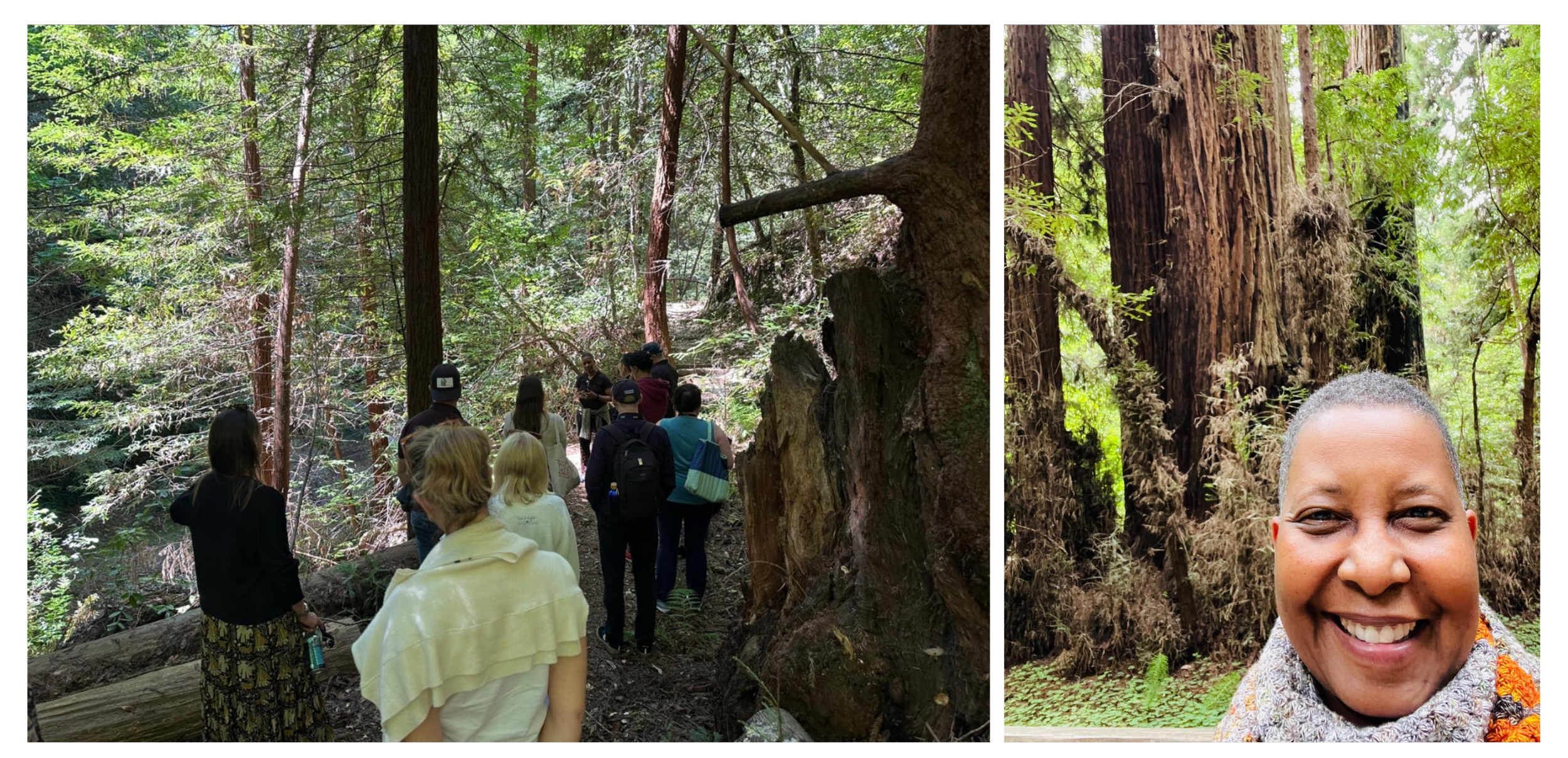
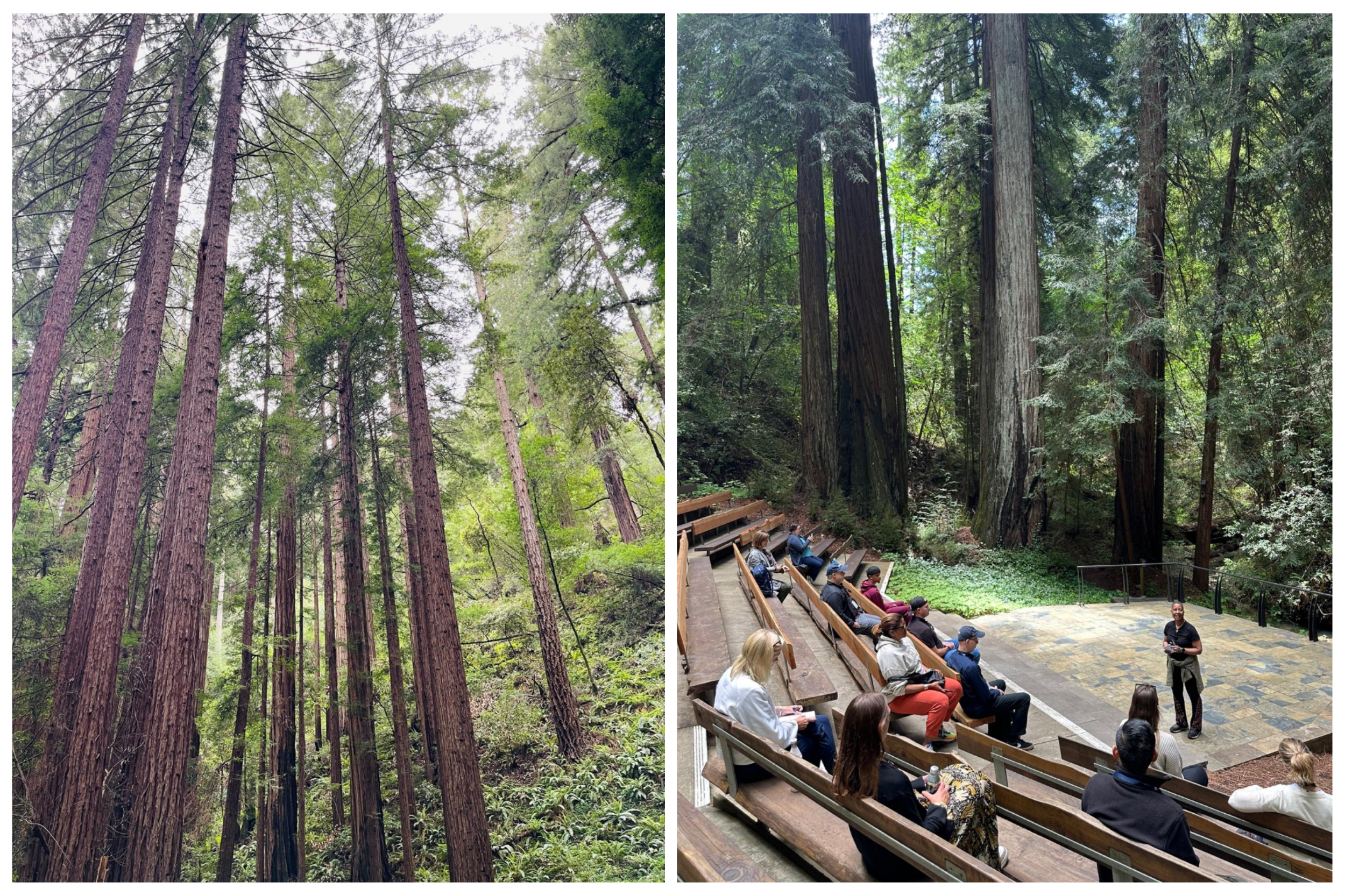
I’ll close here with four photos from a recent nature and forest therapy walk that I lead amongst the redwoods of California. It was truly magical! I invite you to sign up below to attend an upcoming nature walk in and around Chicago. I hope to see you in nature!
Reading List & Resources
Sacred Rest by Saundra Dalton-Smith
Wintering by Katherine May
The Nature Fix by Florence Williams
Braiding Sweetgrass by Robin Wall Kimmerer
Rest Is Resistance by Tricia Hersey