
WHEN SUGAR KNOCKS AT THE DOOR
A Playful Reflection on Vampires, Willpower, and Nourishing Ourselves
A Knock at the Door
I’ve learned that there’s a curious rule about vampires in the stories we tell. They cannot enter your home unless you invite them. They may linger outside your windows. They may knock politely at the door. They may even appear charming. But the moment you open the door and say, “Come in,” everything changes and it’s usually not good.
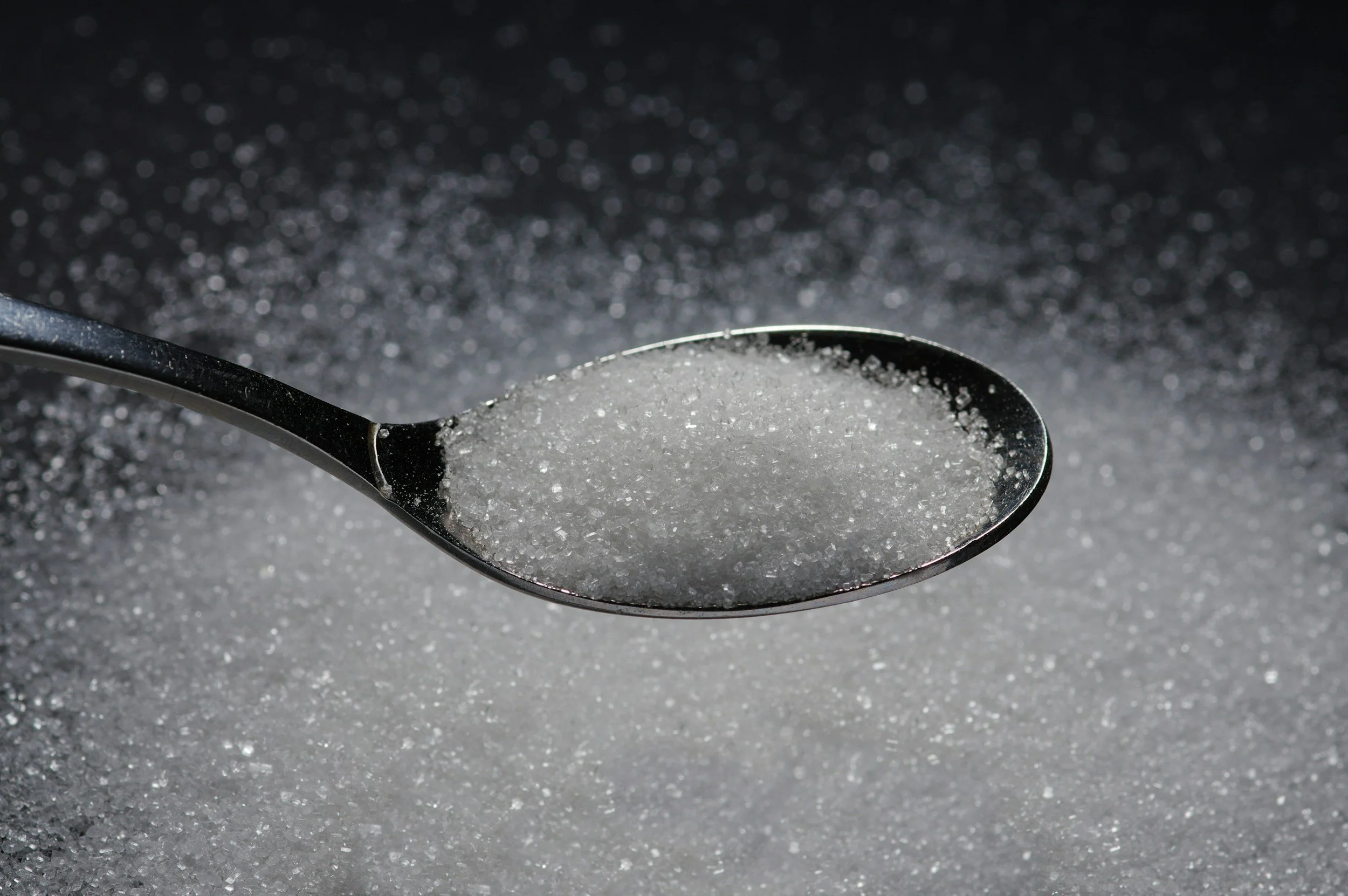
Recently I’ve been thinking about this while reflecting on the role sugar plays in our lives. This thought came to me during a conversation about the buzz surrounding Ryan Coogler’s film, Sinners and Michael B. Jordan’s Best Actor win. Whether or not the vampire imagery in popular culture is meant to teach us anything about health is beside the point. Ha! But the metaphor is powerful. Sometimes sugar behaves a bit like a vampire. Not in a frightening way - but in a quietly or not so quietly persuasive way. It knocks on the door. And if we’re not paying attention, we invite it in. For me is Coconut Cake donuts from Stan’s Donuts. No knocking necessary. If they just appear in a conference room at a lunch break or I find myself anywhere near a Stan’s Donuts store, I’m drawn in - as if floating toward an invisible sugar forcefield. Have you ever felt drawn to sugar in that way? It’s stunning - so fast and completely disarming, really.
Sugar’s Charm
Sugar is charming. There’s no use pretending otherwise. It’s woven into celebrations, holidays, childhood memories, and the simple pleasure of sharing dessert with someone we love.
Biologically, our relationship with sweetness is not accidental—it is deeply rooted in human physiology and evolution. The human brain is designed to recognize and respond to sweet taste as a signal of readily available energy, most often in the form of glucose, which is the body’s primary fuel source. From an evolutionary perspective, this made perfect sense. In early human environments, naturally sweet foods such as fruits and certain plants were relatively scarce but highly valuable, offering quick energy that could support survival, movement, and cognitive function.
As a result, the brain developed reward pathways that reinforce the consumption of sweet foods. When we taste something sweet, neurotransmitters like dopamine are released, creating a sense of pleasure and encouraging us to seek out that experience again. This mechanism helped ensure that our ancestors consumed enough energy to survive periods of scarcity.
That same biological wiring remains with us today. However, in a modern environment where highly concentrated and refined sugars are abundant and easily accessible, this once-protective mechanism can become overstimulated. What was once a survival advantage now requires a bit more awareness, as our bodies continue to respond to sweetness in ways that were shaped long before our current food landscape existed.
Added sugars are now present in many foods - sometimes in surprising places such as sauces, cereals, yogurt, and breads. The body can comfortably process about 6 teaspoons of added sugar a day. Many of us are consuming nearly three times that amount—often without realizing it! So if sugar feels hard to resist, it’s not a lack of discipline. It’s your body asking for balance.
The Willpower Myth
For many years, conversations about sugar have been framed around discipline.
“If I had more willpower, I would eat differently.”
“If I was stronger, I would say no.”
“If I tried harder, the cravings would disappear.”
But health educators and behavior researchers increasingly point out that willpower alone is rarely a sustainable strategy for long-term change. Ross Bridgeford, a health educator who writes about nutrition and lifestyle habits (I follow his anti-inflammatory protocols and I highly recommend them!), has emphasized the idea that “willpower is not a strategy.”
Why? Because willpower is limited. At the end of a long day — after work, caregiving, meetings, errands, and responsibilities — our mental energy is often depleted. When the body is tired, stressed, or hungry, the brain naturally looks for quick sources of energy. Sugar answers that call immediately. So if you have tried before to reduce sugar and found yourself returning to it again and again, please hear this clearly: you didn’t fail; your biology was simply doing what biology does.
A More Compassionate Approach
Instead of relying on restriction and self-control alone, many nutrition educators now suggest a gentler strategy. Rather than trying to eliminate certain foods completely, we can begin by crowding them out. This means filling your plate with foods that nourish you deeply.
Leafy greens
Roasted vegetables
Beans and lentils
Whole grains
Fresh fruit
Healthy fats
Nuts and seeds
As these foods take up more space in our meals, the sugary foods naturally take up less. No dramatic battle required! Just a quiet shift.
Returning to our playful metaphor for a moment, if sugar is the charming vampire knocking at the door, nutrient-dense foods are the sunlight streaming through the windows. They brighten the house. They make the environment less welcoming for the vampire. Fiber-rich foods stabilize blood sugar and support digestion. Balanced meals help regulate appetite and energy levels. Over time, many people notice that their cravings for sugar decrease naturally. The vampire loses interest in the house. That’s what we want!
Small Shifts That Matter
If sugar has been visiting your life frequently, there is no need to slam the door dramatically. Instead, consider a few gentle experiments.
Start the day with a balanced breakfast that includes protein and fiber.
Add vegetables to lunch before worrying about what to remove.
Drink water or herbal tea instead of sugary beverages when possible.
Keep nourishing snacks nearby — fruit, nuts, seeds, or yogurt.
And perhaps most importantly: eat regularly! Skipping meals often leads to powerful cravings later in the day.
Remember the rule about vampires. They cannot enter unless invited.
Sugar itself is not the enemy. It is simply a guest. Sometimes we welcome it for celebrations — a birthday cake, holiday desserts, a special moment shared with people we love. But when sugar begins knocking on the door every day, it may be time to pause and reconsider the invitation. Not with judgment. But with awareness. Because when we nourish ourselves deeply, the vampire becomes less interesting. And life begins to feel steadier, brighter, and more energized.
Closing Reflection
As we celebrate Michael B. Jordan’s Oscar win and the powerful storytelling in Sinners, we are reminded that stories often hold deeper truths. The vampires in our lives are not always supernatural. Sometimes they arrive quietly, disguised as habits that slowly drain our energy. But the good news is this: We always have a choice about who we invite into our homes. And every nourishing meal is another way of choosing vitality.
Yours in wellness,
Marguerite