
ADAPTOGENS FOR CALM AND RESILIENCE

Restoring Balance to the Mind, Body, and Spirit
In a world that demands constant productivity, it can be easy to forget that our bodies are designed for rhythm not rush. Adaptogens are nature’s quiet helpers: a class of herbs and mushrooms that help the body adapt literally to stress. They work by supporting the HPA axis, balancing cortisol levels, and strengthening the systems that become strained under chronic pressure, hormonal shifts, lack of rest, and emotional load.
And right now, when so many of us are navigating midlife transitions, caregiving demands, information overload, and a world that rarely slows down, adaptogens offer a different kind of support, one that is gentle, consistent, and deeply restorative. They don’t override the body’s signals; they help us listen to them. They remind us that steadiness is possible, that calm is our birthright, and that nourishment, not force, is the path back to balance.
Unlike stimulants, which push us to do more, or sedatives, which numb the senses, adaptogens bring the nervous system back into harmony. They help us meet life’s challenges with steadiness and grace reminding us that resilience begins not in urgency, but in rest.
Below are four deeply restorative adaptogens - ashwagandha, rhodiola, holy basil, and reishi - each offering unique support for the nervous system, and each rooted in traditions of healing carried by Indigenous and African-American women. These adaptogens are believed to “read” your body and its stress response, recognizing what systems need extra support. Depending on what your body needs, the adaptogen may support your endocrine system and your hormones, or your immune system.
The four adaptogens I recommend most often:
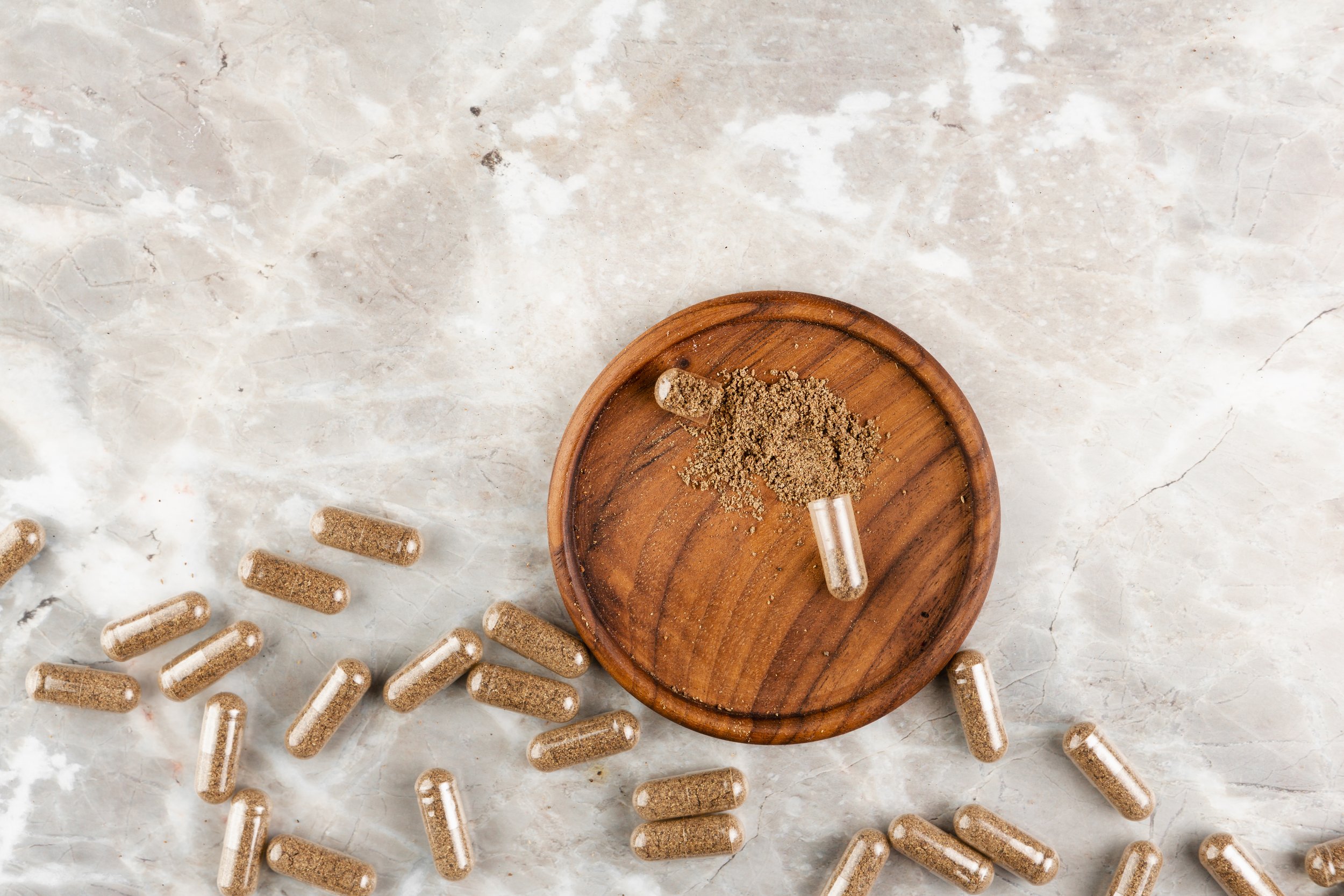
Ashwagandha (Withania somnifera)
Ashwagandha is one of the most grounding and restorative adaptogens, long revered in Ayurvedic medicine for its ability to steady the mind and strengthen the body. Its earthy root nourishes the adrenal glands, helping regulate cortisol levels — the hormone that drives our stress response. By calming the HPA (hypothalamic-pituitary-adrenal) axis, ashwagandha restores energy and resilience while reducing anxiety, improving sleep, and lifting mood. It is particularly supportive for women navigating exhaustion, hormonal fluctuations, or the emotional drain of caregiving.
While generally safe, ashwagandha should be used mindfully by those with hyperthyroidism or thyroid disorders, as it may stimulate thyroid activity. It’s best avoided during pregnancy due to its potential uterine-stimulating effects. For most, a teaspoon of powdered root whisked into warm milk, golden milk, or tea provides steady nourishment to the nervous system helping the body remember what balance feels like.
“Ashwagandha teaches the nervous system to exhale.”
Though native to India, ashwagandha has found a natural home in African-American and Indigenous healing circles. Black herbalists in the early twentieth century often compared it to ginseng and “tonic roots” used in African and Southern folk medicine to restore strength after hardship. It symbolized resilience in the face of fatigue — a root of reclamation and self-care. Among Indigenous healers, ashwagandha is honored as a bridge between earth-based medicine systems, uniting global and ancestral wisdom that sees health as harmony between energy, spirit, and rest.
How to use: Ashwagandha works best when taken consistently. Add ½–1 teaspoon of powdered root to warm milk, golden milk, or herbal tea in the evening to support deeper rest, or take as a tincture (1–2 droppers at night) for calmer sleep and steadier mood. Capsules are also an option for those who prefer a measured dose. Because it’s grounding and mildly sedating, ashwagandha is excellent for nighttime routines.
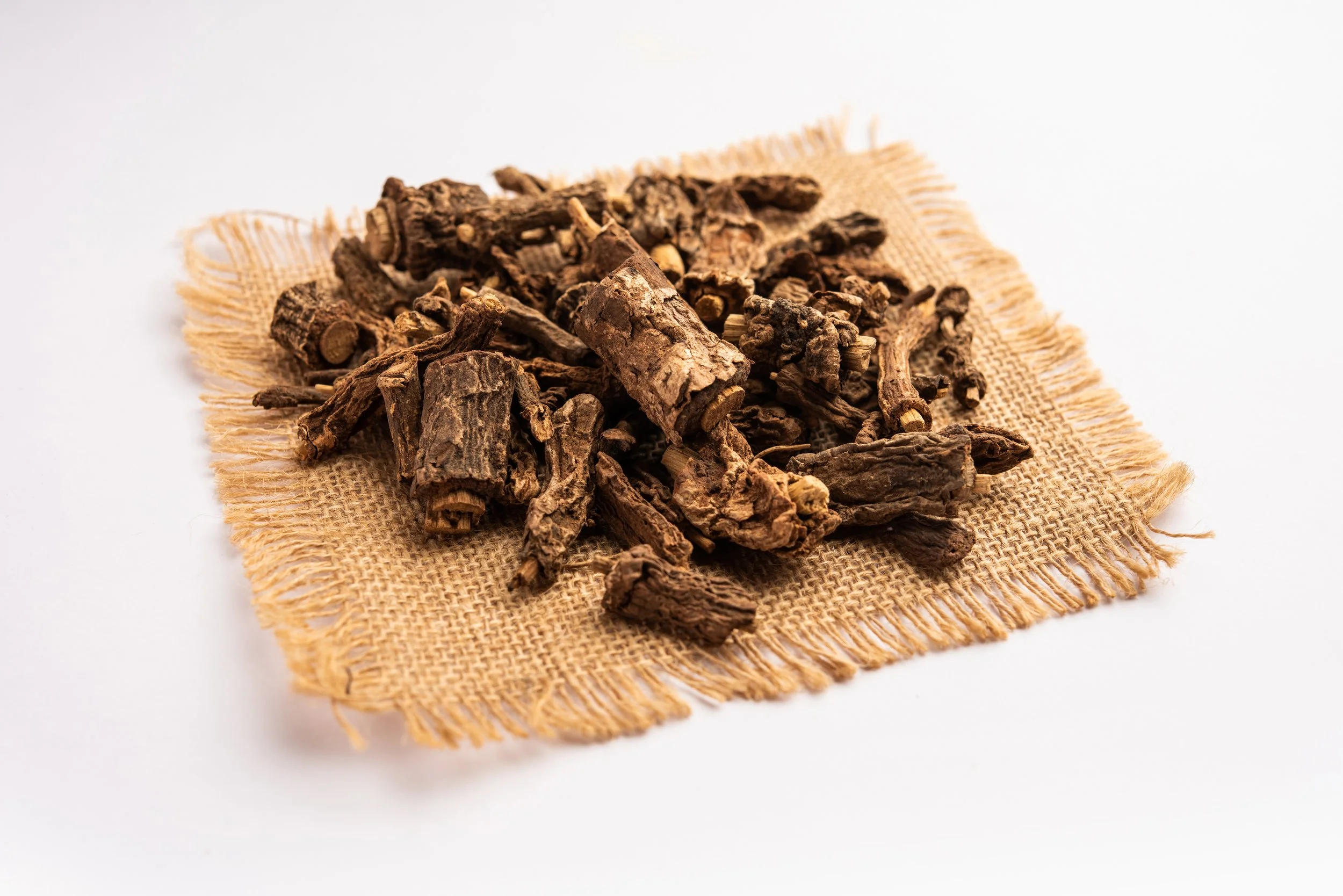
Rhodiola (Rhodiola rosea)
Rhodiola, known as “golden root,” is an energizing yet calming adaptogen that thrives in the harsh climates of Siberia and northern mountains. It works by increasing cellular energy (ATP) and balancing key neurotransmitters like serotonin and dopamine, enhancing mood and mental clarity. Rhodiola helps reduce fatigue, burnout, and mental fog especially for those who feel emotionally depleted but still driven to keep going. It brightens the mood, sharpens focus, and restores vitality without overstimulation.
Rhodiola’s stimulating nature means that those with high blood pressure, anxiety, or bipolar tendencies should begin slowly or consult a practitioner before use. It’s best taken early in the day, as it can be invigorating. Over time, rhodiola helps retrain the nervous system to manage stress gracefully steadying energy while uplifting spirit.
“Rhodiola is sunlight for the weary mind gentle, bright, and sustaining.”
Rhodiola has deep roots among northern Indigenous peoples who used it to enhance stamina and withstand cold, stress, and fatigue. While it’s not native to North America’s southern landscapes, its message of endurance resonated with African-American herbalists seeking botanical allies for resilience. Modern Black and Indigenous women healers often speak of rhodiola as a “mountain root of perseverance,” aligning it with the lived experience of surviving and thriving through generational strain — a plant that strengthens both body and will.
How to use: Rhodiola is most effective when taken earlier in the day. Use 100–200 mg of standardized extract in the morning or enjoy as a tea or tincture before starting your daily routine. Begin with a low dose, as too much can feel stimulating. Rhodiola is a perfect “morning lift” herb that brightens mood and improves stamina without the crash of caffeine.
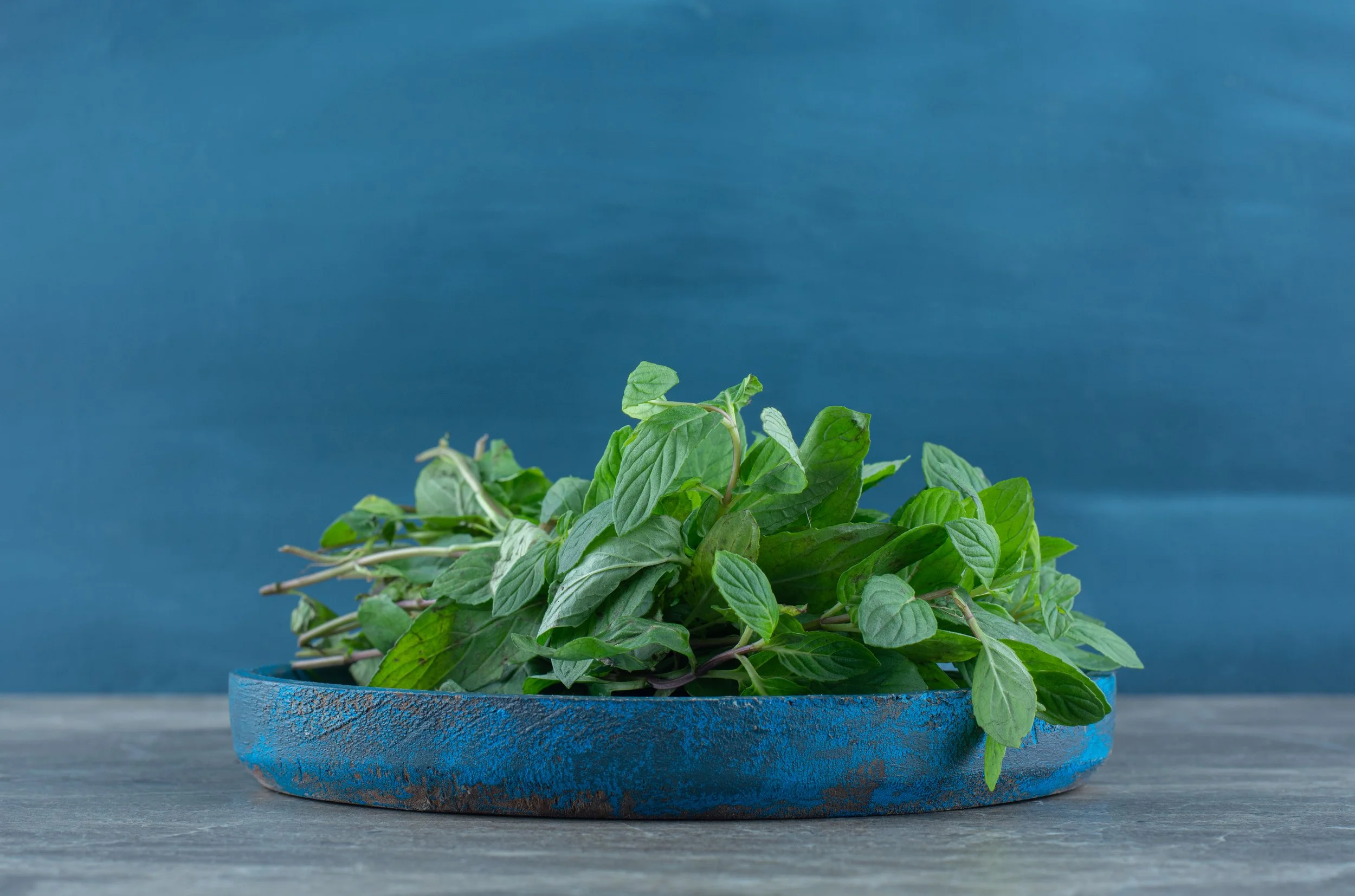
Holy Basil / Tulsi (Ocimum sanctum)
Holy basil, or tulsi, is revered as the “queen of herbs” for its remarkable ability to balance the body and uplift the spirit. As an adaptogen, it gently lowers cortisol, soothes the nervous system, and helps regulate the stress response. Its aromatic leaves offer a rare duality: they calm anxiety while heightening focus and clarity. Drinking tulsi tea is like inhaling serenity — alert but unburdened. It helps center the mind during emotional storms, supports hormonal balance, and protects the heart from the wear of long-term stress.
Tulsi is generally safe, but because it can slightly thin the blood and lower blood sugar, individuals taking related medications should use it with awareness. A fragrant cup of tulsi tea in the morning or midday acts like a spiritual reset — bringing calm energy without sedation.
“Tulsi is peace in a cup — a sacred reminder that calm is strength.”
Although tulsi originates in India, it resonates powerfully with the sacred plant traditions of both African and Indigenous women. In African-American folk healing, basil (a close relative of tulsi) has long symbolized protection, peace, and good fortune. Women planted it near the home to invite blessings and brewed basil tea to cleanse the spirit. Similarly, Indigenous women burned aromatic herbs such as sweetgrass and sage to restore harmony and protect against negative energy. Today, tulsi bridges these traditions uniting women across cultures who honor the ritual of tea as prayer, purification, and presence.
How to use: Holy basil shines as a daily tea. Steep 1–2 teaspoons of dried leaf in hot water for 10 minutes and drink in the morning or afternoon for clarity and calm. Tulsi tincture (1–2 droppers) can also be taken throughout the day during stressful periods. Unlike rhodiola, tulsi can be enjoyed anytime — it energizes gently but won’t disrupt sleep. This is my absolute favorite herb!! This herb helps lower blood sugar and has a good safety profile.
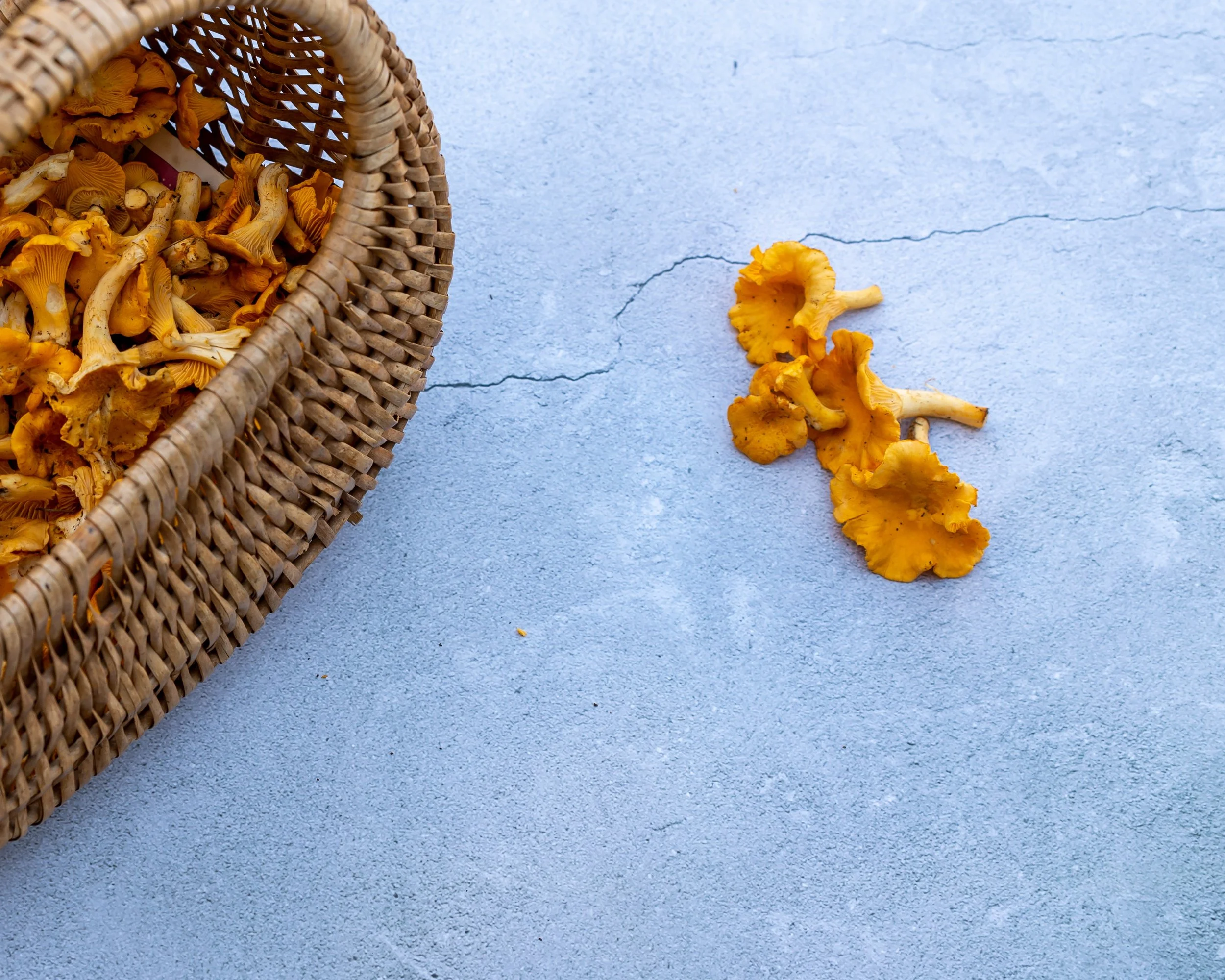
Reishi (Ganoderma lucidum)
Reishi, the “mushroom of immortality,” is a slow-growing fungal adaptogen that calms the mind and nourishes the heart. It helps regulate the immune system, lower inflammation, and soothe the nervous system — supporting deep rest, emotional balance, and longevity. Reishi encourages the parasympathetic nervous system (“rest and digest”) to awaken, countering the chronic fight-or-flight state so common in modern life. For women navigating grief, burnout, or emotional heaviness, reishi offers quiet strength a grounded, heart-centered calm.
Reishi is safe for most people, though those taking blood thinners or blood-pressure medications should seek guidance before long-term use. Its taste is earthy and bitter, which makes it ideal for teas, tinctures, or powdered blends. Over time, reishi’s medicine is cumulative building endurance, fortitude, and peace within the body and mind.
“Reishi teaches that real resilience grows in stillness, not in speed.”
Reishi’s story begins in East Asia, but its spirit aligns beautifully with African and Indigenous understandings of fungi as wisdom keepers — guardians of balance between life, death, and renewal. In contemporary African-American herbalism, reishi is viewed as a sacred “grief medicine,” supporting rest after trauma or prolonged caregiving. Indigenous herbalists across North America have long revered mushrooms as protectors of the forest and allies of transformation. Reishi, in particular, embodies this connection — a reminder that true healing grows slowly, in the shade, rooted in patience and faith.
How to use: Reishi is best taken long-term as a tonic. Add ½ teaspoon of powdered extract to coffee, tea, or hot cocoa, or simmer dried slices to make a deeply nourishing evening decoction. A nightly reishi tincture (1–2 droppers) is also effective for supporting sleep, emotional steadiness, and immune health. Reishi’s effects grow stronger and deeper with consistent use.
Reflection / journaling invitation
After your next herbal tea or quiet moment, write:
When do I notice my body asking for rest — and how do I respond?
Which of these adaptogens feels like it could best support me in this season of life?
How can I honor the women and traditions who kept plant wisdom alive for my generation?
Take a few moments to write, breathe, or simply sit with these questions. Adaptogens remind us that healing begins with awareness — and awareness begins with stillness.
Try This Week
“Adaptogens remind us that resilience is not about resistance — it’s about remembering our natural rhythm.”
As you sip tulsi tea, stir reishi into your morning cup, or blend ashwagandha into a warm evening tonic, know that you’re participating in a lineage of women — Indigenous, African, and ancestral — who turned to the earth not only for medicine, but for meaning. In their hands, these plants were prayers for rest, renewal, and the courage to live with grace.
References
Winston, D. & Maimes, S. (2007). Adaptogens: Herbs for Strength, Stamina, and Stress Relief. Healing Arts Press.
Romm, A. (2017). The Adrenal Thyroid Revolution. HarperOne.
Hoffmann, D. (2003). Medical Herbalism: The Science and Practice of Herbal Medicine. Healing Arts Press.
Groves, M. (2016). Body into Balance: An Herbal Guide to Holistic Self-Care. Storey Publishing.
Kloos, H. (2020). The Herbal Medicine-Maker’s Handbook. Original Sources Press.